Loading Mount Kilimanjaro adventure...
From tropical rainforests to arctic summit - experience the breathtaking landscapes of Africa's iconic mountain
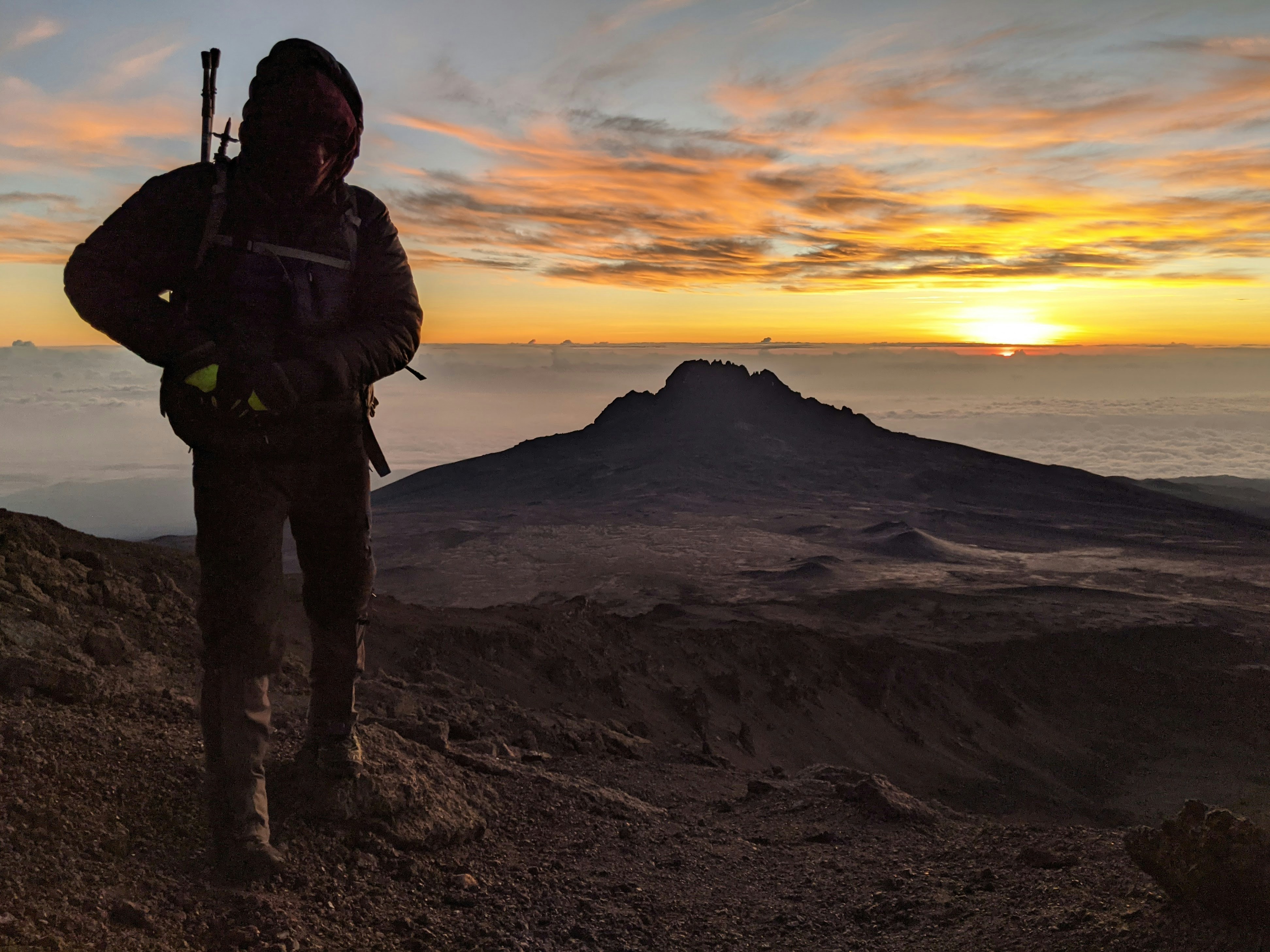
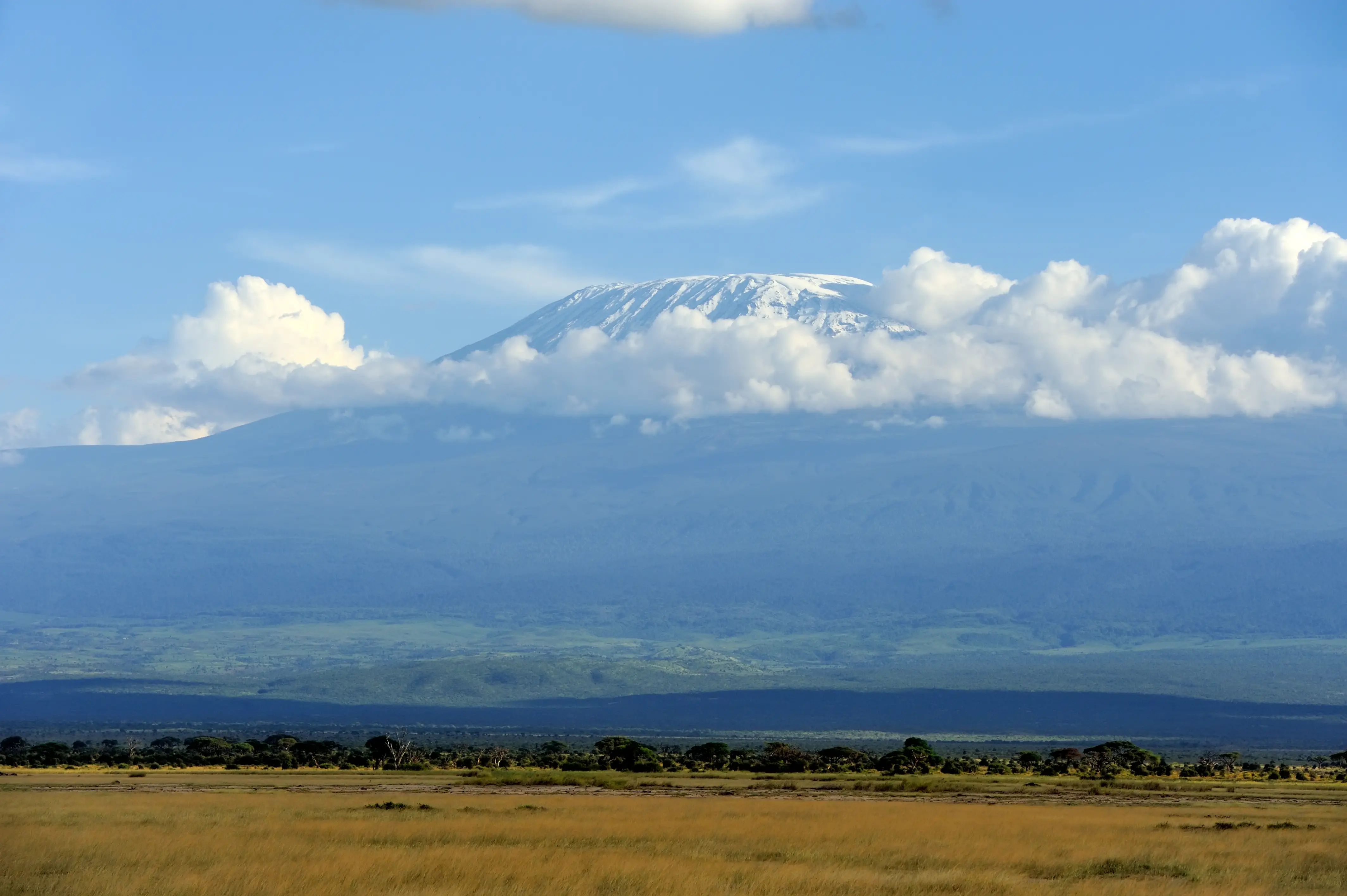
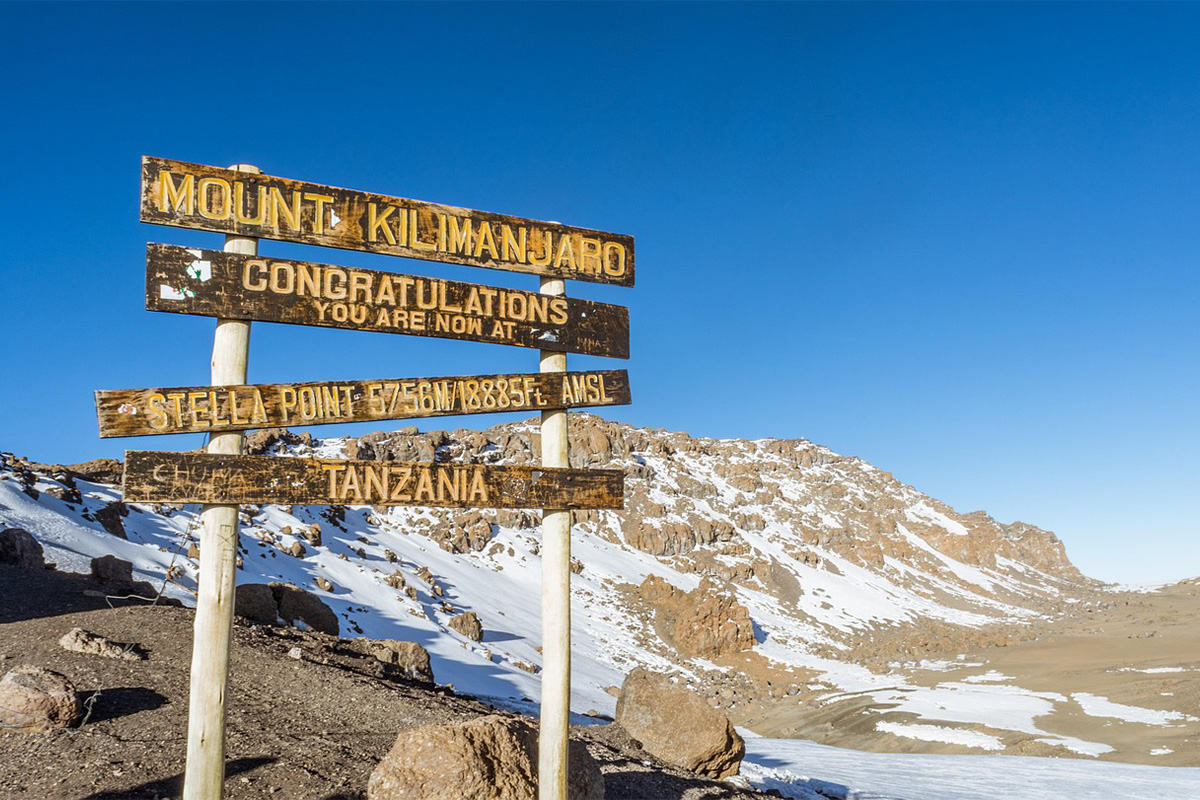
Mount Kilimanjaro, affectionately known as "Kili," is Africa's highest mountain and the world's highest free-standing mountain. This dormant volcano rises 5,895 meters (19,341 feet) above sea level and is one of the Seven Summits.
What makes Kilimanjaro unique is its accessibility to climbers without technical mountaineering experience. The mountain features five distinct ecological zones, from cultivated farmland and lush rainforest at the base to arctic conditions at the summit.
Explore Mountain FactsDiscover what makes Kilimanjaro one of the world's most extraordinary natural wonders
A dormant stratovolcano with three volcanic cones: Kibo (dormant), Mawenzi, and Shira (extinct). Last major eruption estimated 360,000 years ago.
Five distinct zones: Cultivated Farmland, Rainforest, Heath/Moorland, Alpine Desert, and Arctic Summit.
Home to shrinking glaciers that have lost over 80% of their ice since 1912. Predicted to disappear completely by 2030-2050.
Approximately 35,000 people attempt to climb Kilimanjaro annually with a summit success rate of 65-75%.
Kilimanjaro offers several routes with varying difficulty, scenery, and success rates
Each route offers a unique experience. The Marangu route is the most popular with hut accommodation, while the Machame route ("Whiskey Route") is more scenic but challenging. The Lemosho route offers the highest success rate with excellent acclimatization.
"Pole pole" - slowly slowly, the key to summiting Kilimanjaro
Known as the "Coca-Cola Route," this is the only route with hut accommodation. Most popular but with lower success rate due to shorter itinerary.
The "Whiskey Route" is more challenging but scenic with higher success rates. Camping only, with beautiful views and good acclimatization profile.
Considered the most beautiful route with high summit success rate. Longer itinerary allows for excellent acclimatization.
The only northern approach, drier climate with fewer crowds. Good alternative during rainy season.
Understanding altitude is key to successful acclimatization
Kilimanjaro requires good cardiovascular fitness. Recommended preparation includes hiking with a weighted backpack, stair climbing, and aerobic exercises 3-4 months prior to your climb.
"Climb high, sleep low" is the golden rule. Choose longer routes (7+ days) for better acclimatization. Stay hydrated, maintain a slow pace, and listen to your body.
Quality waterproof hiking boots, layered clothing for all climates, sleeping bag rated to -10°C, headlamp, trekking poles, and personal medications including Diamox for altitude.
Warmest months, clear skies, drier conditions. Busiest climbing season.
Dry season, cooler temperatures, excellent visibility. Most popular time.
Short rains, greener scenery, fewer crowds. Still good for climbing.
Long rainy season, slippery trails, fewer climbers. Challenging conditions.
With over 15 years of experience guiding climbers to Uhuru Peak, we offer the highest safety standards, experienced guides, and personalized service for your Kilimanjaro adventure.
Summit Success Rate
Years Experience
Happy Climbers
Safety Record
Take the first step toward standing on the Roof of Africa. Our expert team will help you choose the right route, prepare properly, and make your summit dream a reality.