Loading Ngorongoro Crater experience...
A breathtaking natural amphitheater teeming with wildlife, Ngorongoro Crater is one of Africa's most spectacular safari destinations
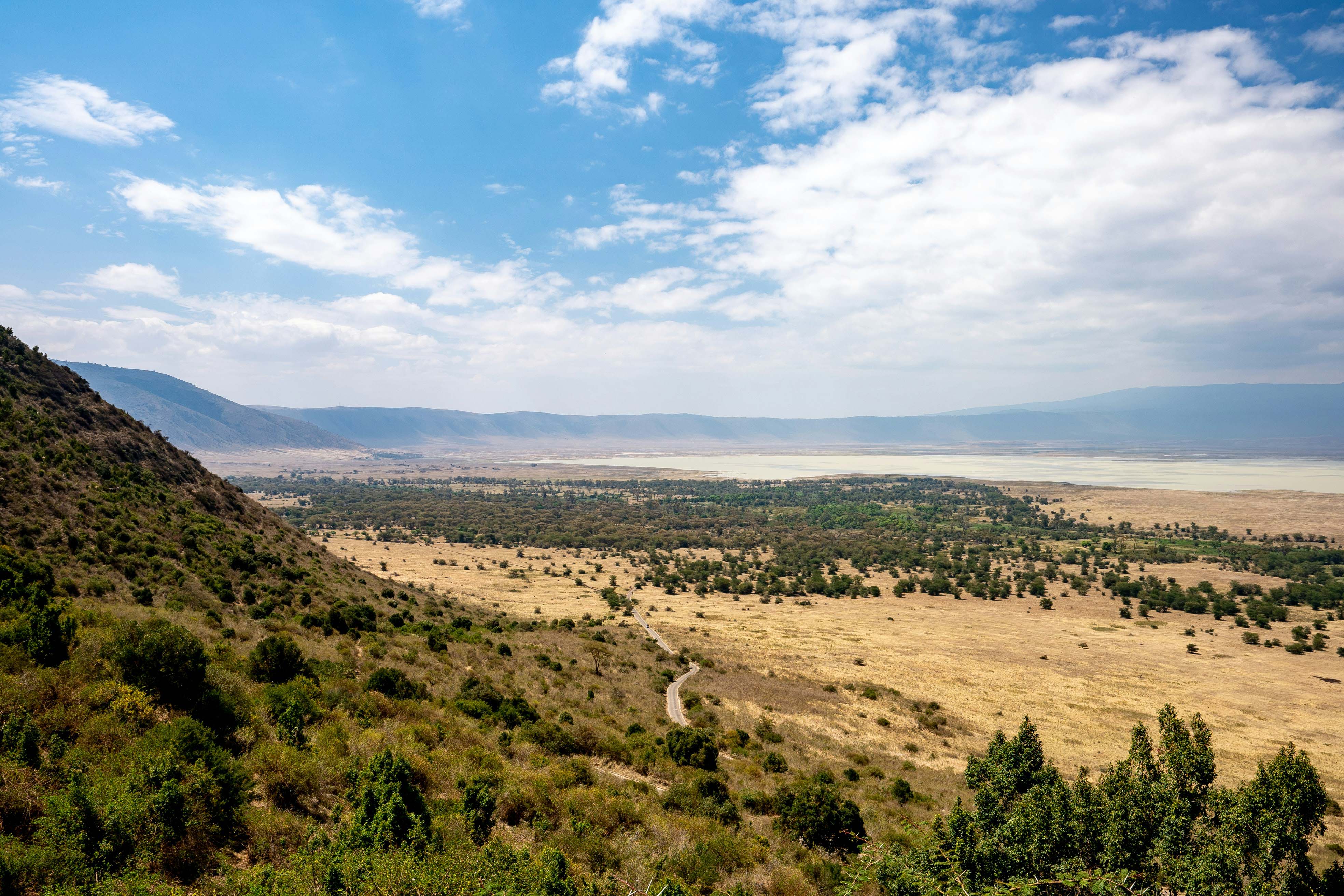
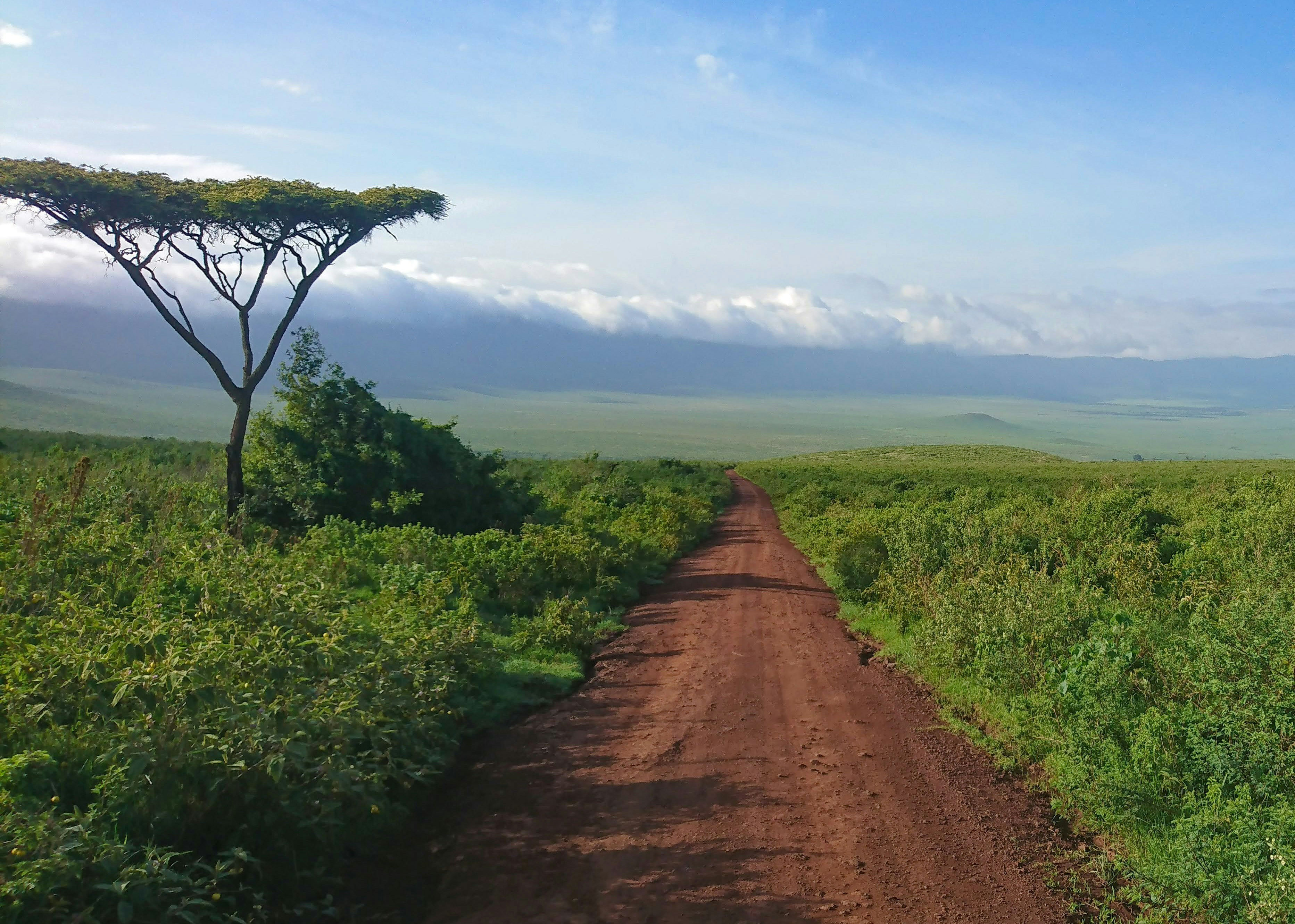
Ngorongoro Crater is the world's largest intact volcanic caldera, formed when a giant volcano exploded and collapsed on itself two to three million years ago. This UNESCO World Heritage Site is often called "Africa's Garden of Eden" for its stunning beauty and incredible concentration of wildlife.
The crater floor covers 260 square kilometers (100 square miles) and is home to approximately 25,000 large animals, including some of Tanzania's last remaining black rhinos. The crater's walls rise 600 meters (2,000 feet) from the floor, creating a natural enclosure for the wildlife within.
Explore Crater Facts
Discover what makes Ngorongoro Crater one of the world's most extraordinary natural wonders
World's largest intact volcanic caldera, formed 2-3 million years ago when a volcano collapsed. Walls rise 600m from the floor.
Home to over 25,000 large animals including all Big Five species. One of the best places in Africa to see black rhino.
Contains diverse habitats: grasslands, swamps, forests, Lake Magadi (soda lake), and the Lerai Forest.
UNESCO World Heritage Site and part of Ngorongoro Conservation Area. Maasai people live in harmony with wildlife.
Ngorongoro Crater is one of the few places in Africa where you can see all Big Five animals in a single day
The crater's enclosed ecosystem creates unique wildlife dynamics. Most animals do not migrate in and out of the crater, leading to distinct populations adapted to this specific environment. The crater lions, for example, are famous for their large black manes.
"The eighth wonder of the world" - Various naturalists
Ngorongoro has one of East Africa's highest densities of endangered black rhino, with about 30 individuals.
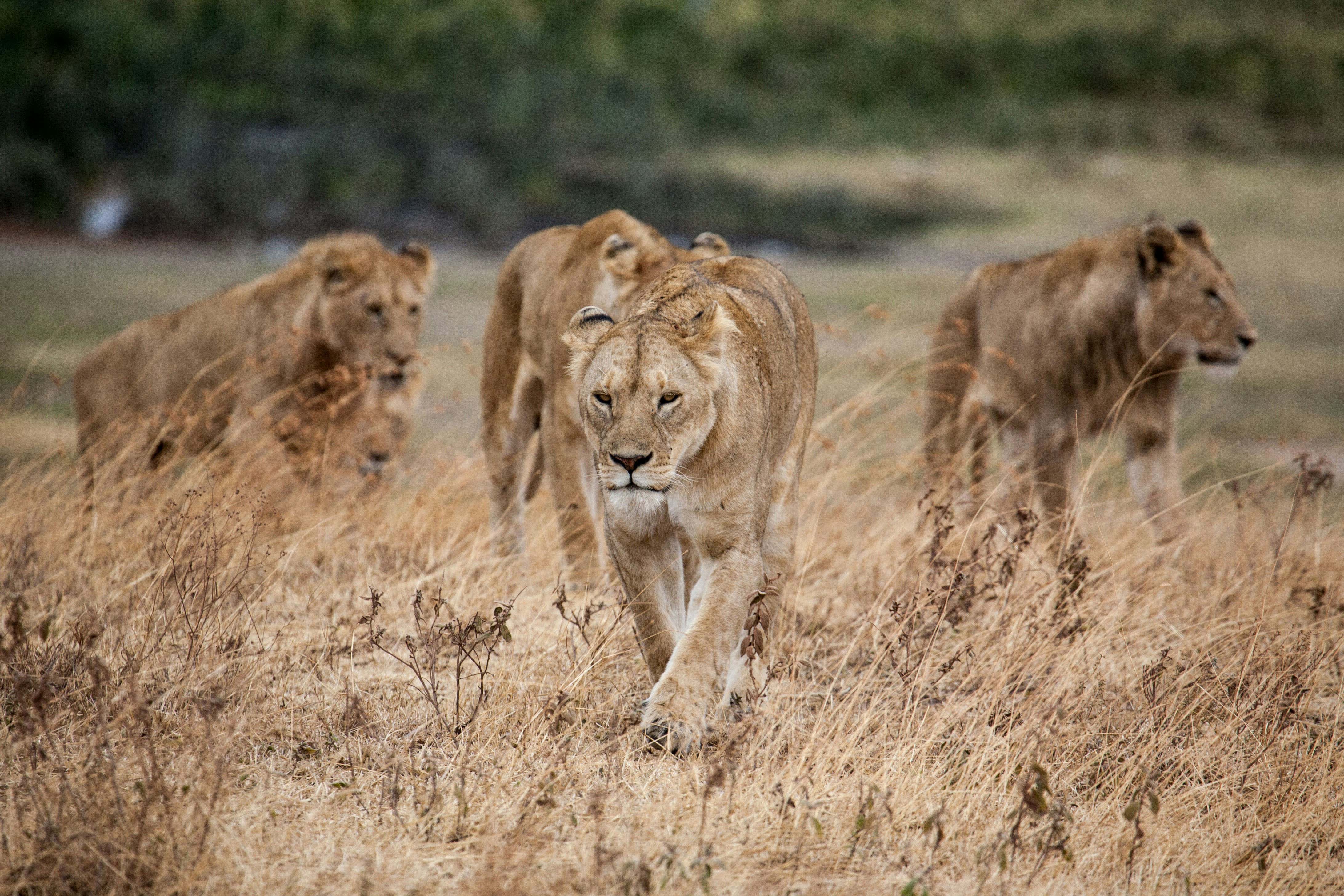
Approximately 60-70 lions live in the crater, known for their large size and distinctive black manes.
Mainly older bull elephants, as the steep crater walls are difficult for females with young calves to navigate.
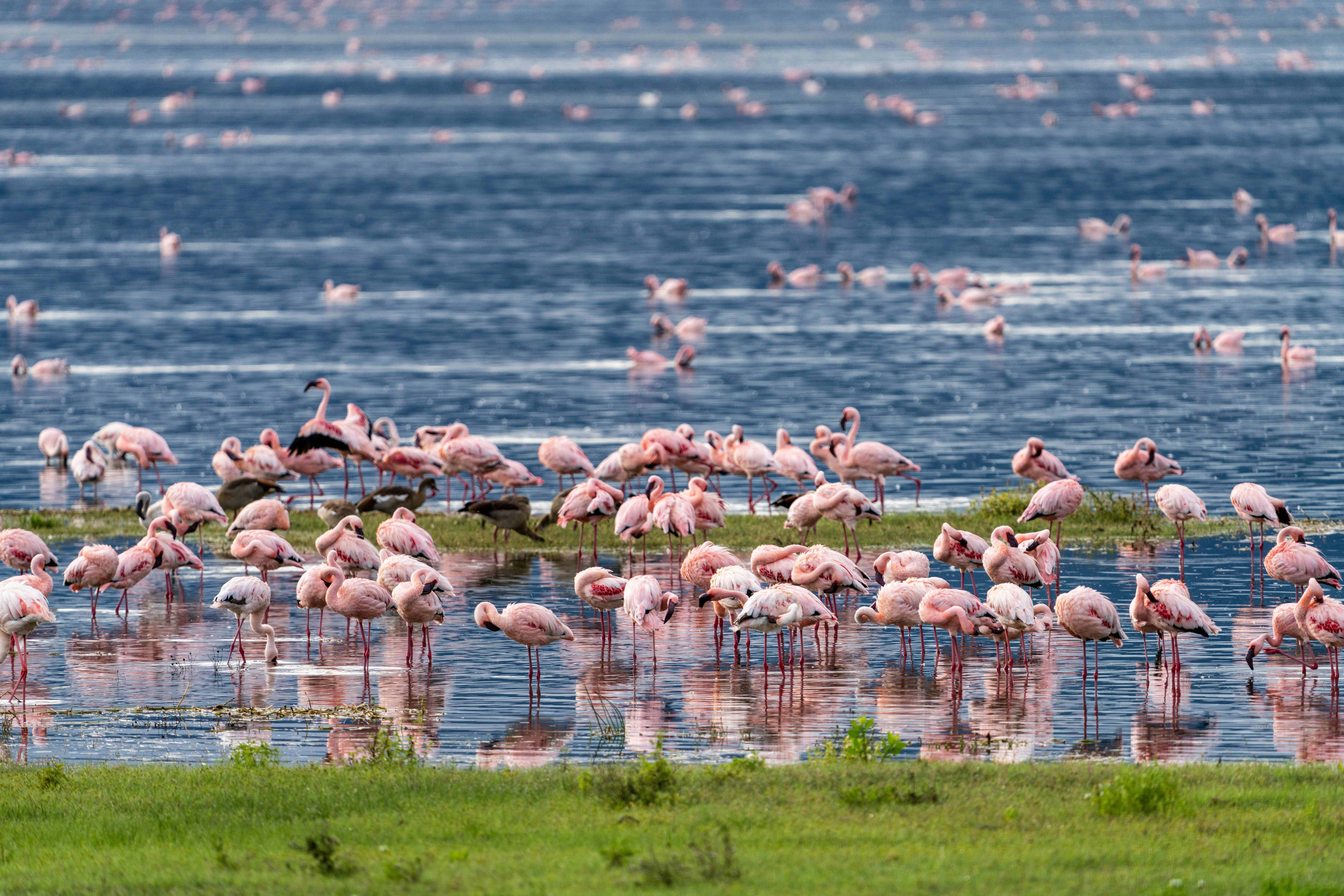
Over 500 bird species recorded, including large flocks of flamingos on Lake Magadi during wet season.
Descend 600 meters into the crater floor for a full day of wildlife viewing. The steep, winding road offers spectacular views and leads to one of Africa's most concentrated wildlife areas.
Excellent photography opportunities with predictable wildlife sightings and dramatic landscapes. The crater's enclosed nature means animals are often closer and more visible than in open plains.
Guided walks along the crater rim offer breathtaking views and opportunities to learn about the local Maasai culture and conservation efforts. Some lodges also offer nature walks in surrounding forests.
Dry season, best for wildlife viewing as animals gather around water sources
Calving season for wildebeest, good for predator action, pleasant weather
Short rains, lush green scenery, fewer crowds, baby animals
Long rains, lush scenery, fewer tourists, lower rates, some roads may be difficult
Experience the wonder of Ngorongoro Crater with African Myth Safaris. Our expert guides will help you discover this natural wonder at the perfect time for your interests.