African Myth Safaris

Loading Serengeti National Park experience...

UNESCO WORLD HERITAGE SITE

Serengeti National Park

Africa's most iconic wildlife sanctuary, home to the Great Migration and the Big Five

PARK OVERVIEW

Discover Serengeti

Serengeti National Park, Tanzania's flagship national park, is world-renowned for its vast plains, exceptional wildlife, and the annual Great Migration. The name "Serengeti" comes from the Maasai word "Siringet," meaning "endless plains."

Established in 1951, the park covers 14,750 square kilometers (5,700 square miles) of grassland plains, savanna, riverine forest, and woodlands. It's home to the greatest concentration of plains game in Africa, including the famous Big Five.

Explore Park Facts
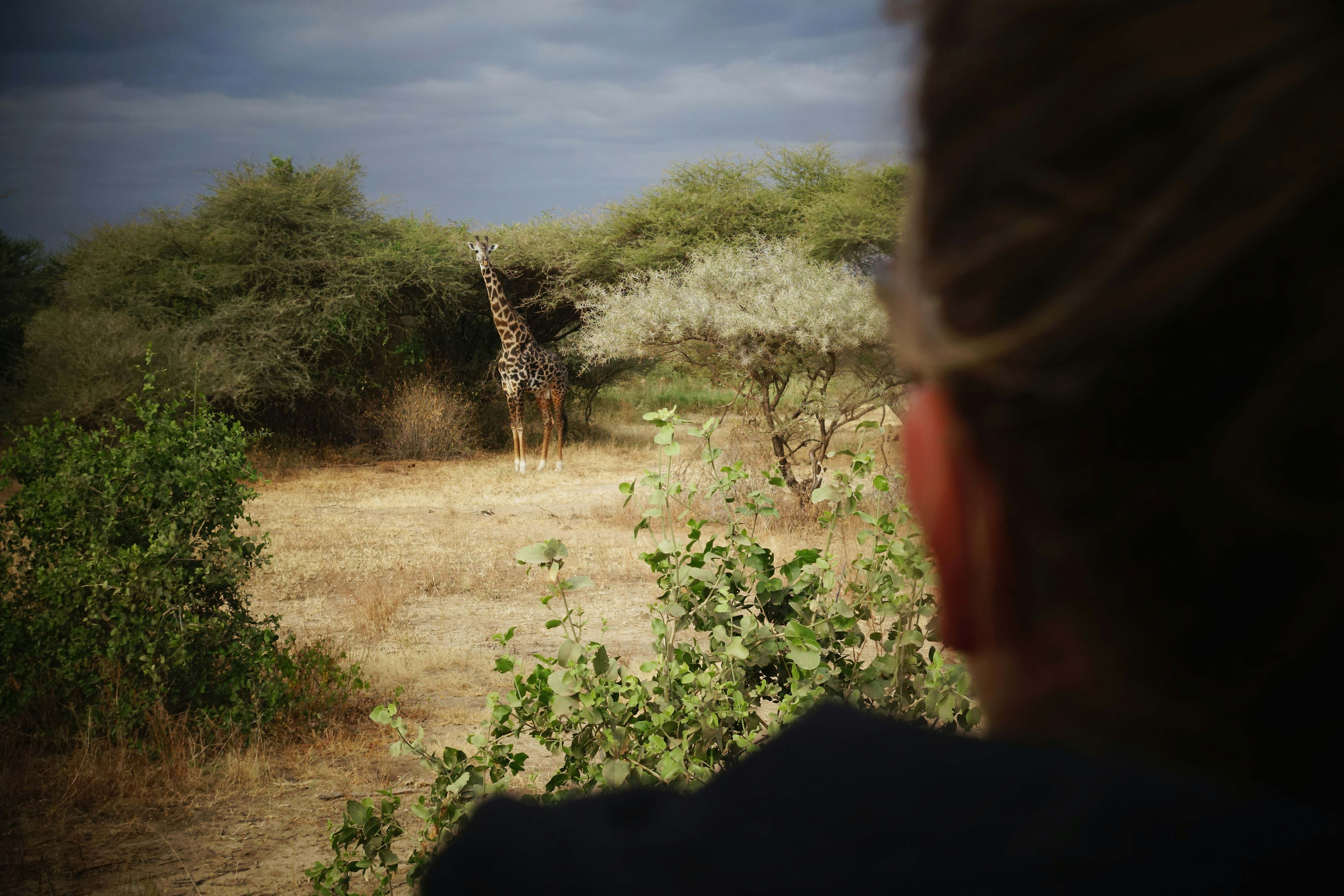
Serengeti Landscape

Quick Facts

Location Northern Tanzania
Size 14,750 km²
Established 1951
UNESCO Status World Heritage Site (1981)

Key Facts About Serengeti

Discover what makes Serengeti one of the world's most extraordinary natural wonders

Wildlife

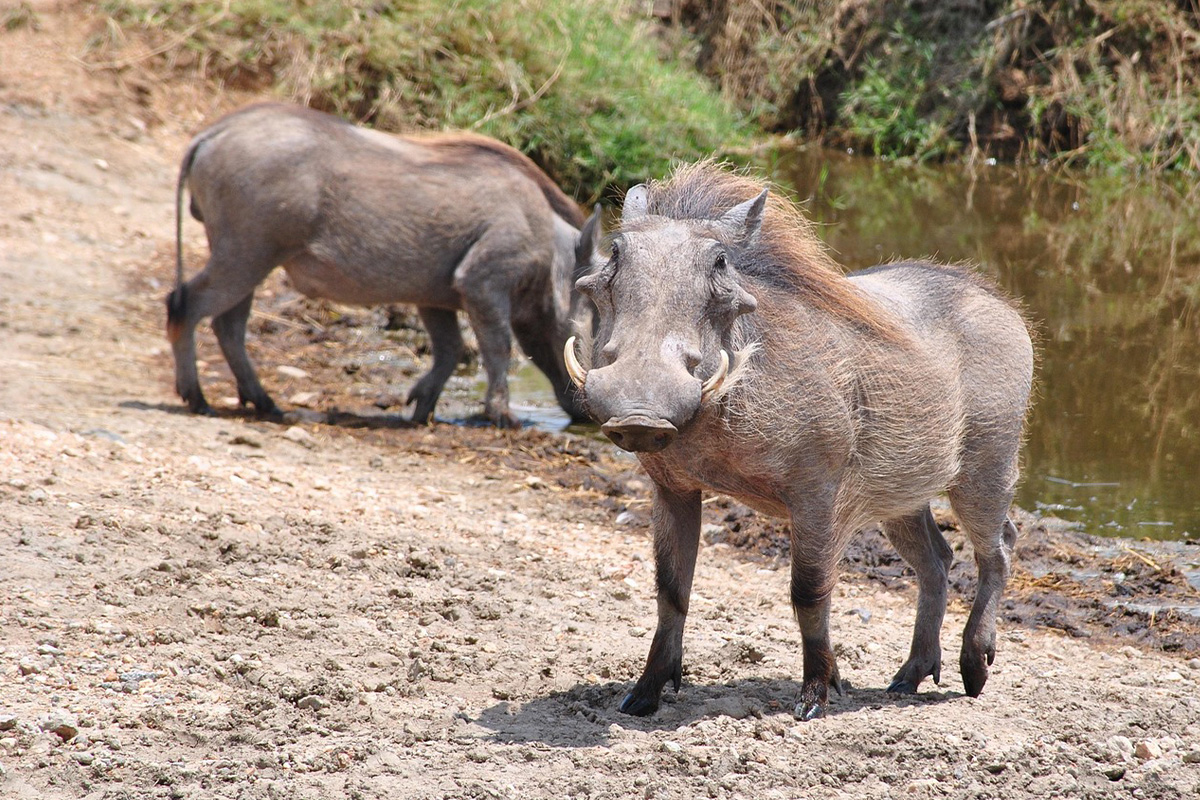
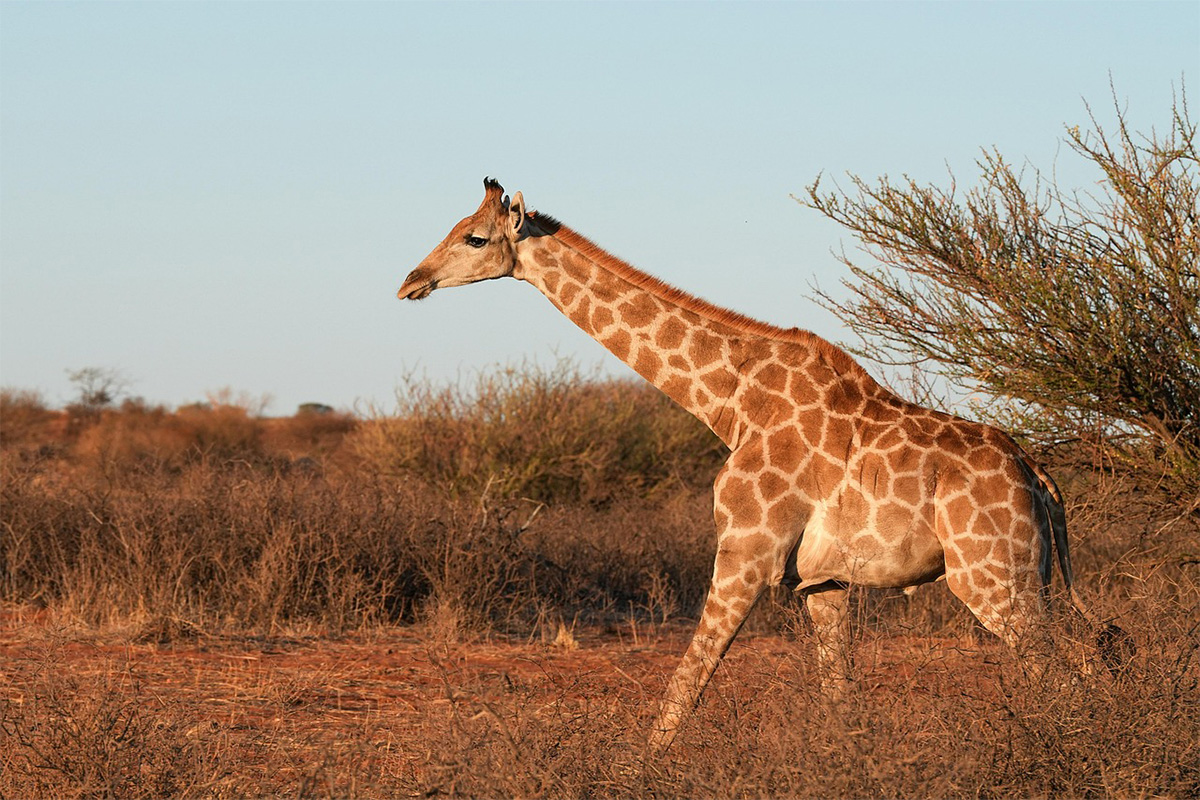
Home to over 70 large mammal species and 500 bird species, including Africa's largest lion population (approximately 3,000 lions).

Great Migration

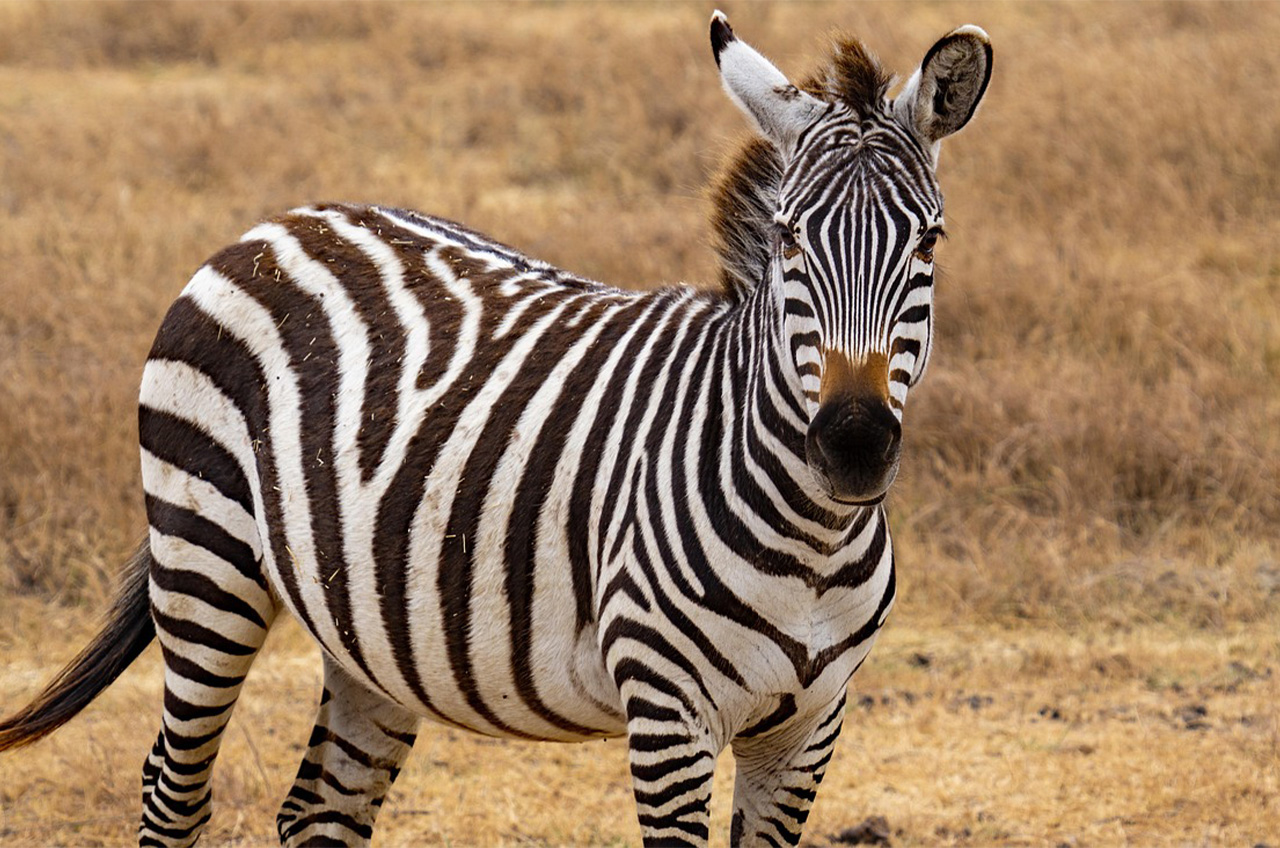
Hosts the annual migration of 1.5 million wildebeest, 250,000 zebras, and thousands of gazelles and other herbivores.

Ecosystems

Contains diverse habitats: grasslands, savanna, riverine forests, woodlands, and kopjes (rocky outcrops).

Conservation

A UNESCO World Heritage Site since 1981 and part of the Serengeti-Ngorongoro Biosphere Reserve.

NATURE'S GREATEST SPECTACLE

The Great Migration

Witness one of the most spectacular natural events on Earth - the annual migration of over 2 million animals across the Serengeti-Mara ecosystem

Great Migration

The Circle of Life

The Great Migration is a continuous, year-round movement of vast herds following the rains in search of fresh grazing. This incredible journey covers approximately 800 km (500 miles) in a clockwise direction through the Serengeti and into Kenya's Maasai Mara.

"The greatest wildlife show on Earth" - National Geographic

Migration Calendar

January - March

Calving season in Southern Serengeti. Approximately 500,000 calves are born within a 2-3 week period.

April - May

Long rains period. Herds move northwest toward the Western Corridor and Grumeti River.

June - July

River crossings at Grumeti and Mara Rivers. Crocodile attacks create dramatic wildlife scenes.

August - October

Herds spread across Northern Serengeti and Maasai Mara in Kenya, with some river crossings continuing.

WILDLIFE & ACTIVITIES

Experience Serengeti

Big Five

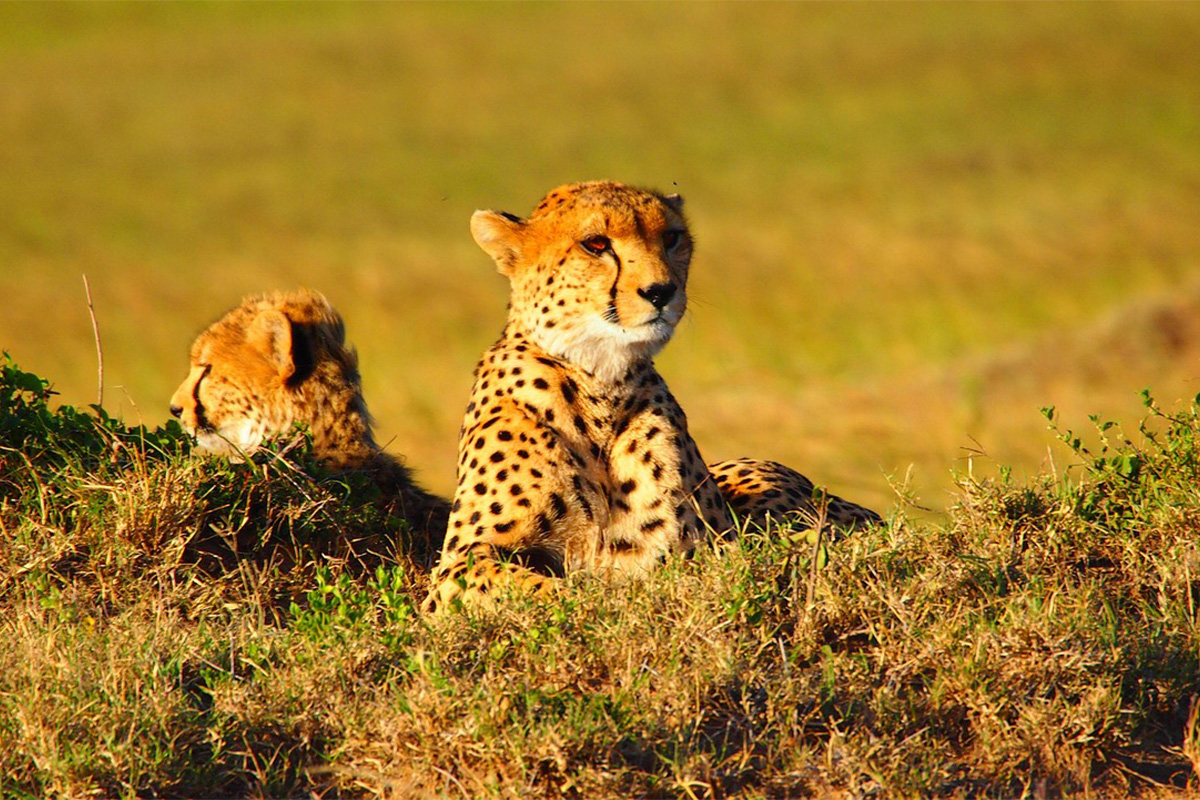
Serengeti is one of the best places in Africa to see the Big Five: lion, leopard, elephant, buffalo, and rhino (black rhino can be seen in some areas).

Largest lion population in Africa

Game Drives

Morning, afternoon, and full-day game drives in 4x4 vehicles with pop-up roofs offer optimal wildlife viewing and photography opportunities.

Expert guides with tracking skills

Walking Safaris

Guided walking safaris offer a different perspective, focusing on tracking, smaller wildlife, plants, and birds with an armed ranger.

Connect with nature on foot

Best Time to Visit Serengeti

June - October

Dry season, best for general wildlife viewing and river crossings

January - February

Calving season in Southern Serengeti, great for predator action

November - December

Short rains, lush scenery, fewer crowds, good wildlife viewing

March - May

Long rains, lush green scenery, fewer tourists, lower rates

Plan Your Serengeti Adventure

Experience the magic of Serengeti National Park with African Myth Safaris. Our expert guides will help you discover the park's wonders at the perfect time for your interests.

Expert guides with extensive Serengeti experience
Customized itineraries based on your interests and timing
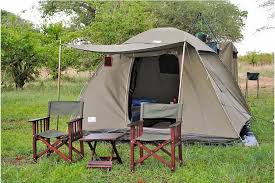
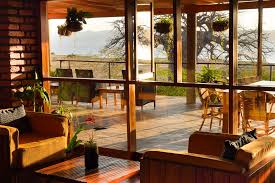
Range of accommodation options from camps to luxury lodges
Contact us to create your perfect Serengeti safari experience

Plan Your Serengeti Visit

We'll respond within 24 hours with safari options and recommendations for your Serengeti visit

Chat on WhatsApp

+255 699 336 254